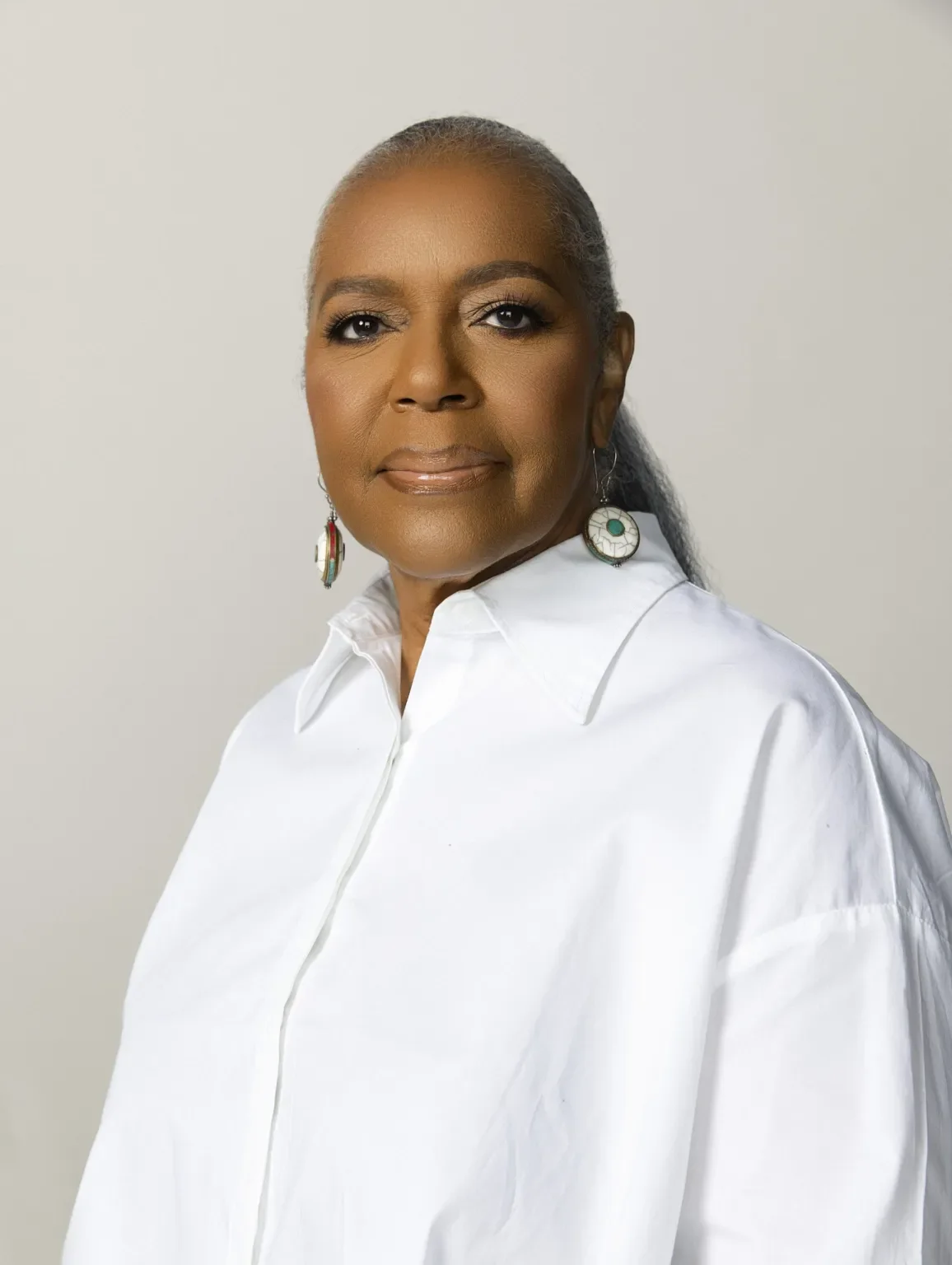
‘These specialty areas are so hidden that people don’t know about them,’ said Sharenne Bearden about her course on provider enrollment and credentialing.
After over 40 years in health care leadership, Sharenne Bearden is teaching a new class at Malcolm X College — one that speaks to two statistics about the neighborhood she grew up in: Austin has an unemployment rate of 15%, nearly twice the city’s average according to Chicago Health Atlas, and 18% of Austin residents work in health care, the community’s largest employment sector, according to the Chicago Metropolitan Agency for Planning.
Starting Oct. 5, Bearden’s 10-week continuing education course at Malcolm X will give students hands-on experience with provider enrollment and credentialing — respectively, enrolling a clinician into insurance, Medicare or Medicaid so they can provide services and get paid, and verifying their licensure and board certification. In the class, students will learn about credentialing applications and files, plus managing provider data and various insurance carriers.
“These specialty areas are so hidden that people don’t know about them,” Bearden said of nonclinical health care jobs that help hire doctors and keep hospitals running. And it’s an industry that’s severely lacking employees. “The last hospital I was in, I was responsible for 1,000 clinicians. I was responsible for the residency program, and I was responsible for the medical student program.”
Besides lack of awareness of this career existing, Bearden said she sees representation as a barrier to entry for provider enrollment and credentialing in Austin. \
“Out of all of my years in healthcare, especially at a management level,” Bearden said, “there was only one time in the history of my career that I was able to count 10 African Americans in the room.”
Read the story in the Austin Weekly News by clicking here.
Though Bearden’s course syllabus has been approved, for future classes she teaches, she wants to tap into Malcolm X’s affiliations as a medical hub to get students trained in hospitals and medical offices, which Bearden says teaches multi-tasking, flexibility and communication.
Ultimately, Bearden hopes her new class will provide workforce development and a career pathway into employment.
“We are really interested in the talent that we know is surrounding us, and we’re just trying to do whatever we can to have an audience with that talent so that we can empower and employ at the end of the day,” Bearden said.
Decades in health care
Bearden has worked in provider enrollment and credentialing for over 40 years. She started her career as a secretary in the operating room and surgical nursing department at Rush Oak Park Hospital. She was promoted to administrator for the hospital’s medical director, then communications liaison for its department of philanthropy and communications.
Then, Bearden got a role at West Suburban Medical Center and, when her coworker and friend left her credentialing job at the hospital, she taught herself how to take over the role. So when Bearden was courted by Wellcare — a private insurance brand specializing in Medicare products — she started in an administrative position that involved credentialing providers.
At Molina Healthcare, Bearden began credentialing for clients across the country, then was a manager for credentialing clinicians at a safety net hospital in Skokie.
“The people who were interviewing for the credentialing specialist position, they were people who came from an administrative clerical background who may have had the clerical skill set, but knew nothing about health care,” Bearden said about her last job, where she had to train such employees for at least six months before they could be effective. That’s a long time to wait, she said, when hospitals and medical offices want to get highly compensated clinicians through the necessary processes and into practice as quickly as possible.
Bearden said, if she’d had access to a class like hers at the start of her career, “I would have moved much faster,” being promoted and making more money quicker.
About five years ago, Bearden had the idea to inform more Chicagoans about her behind-the-scenes health care role and how to do it. While still working her corporate job, she started talking with Roy Walker, who was then Malcolm X’s executive dean of health science and career programs. Earlier this year, they reconnected, with Walker now in the role of senior vice president of academic and student affairs.
Bearden’s course is a continuing education, non-credit course, “designed for students with varied educational backgrounds and academic goals,” according to Malcolm X’s website. Bearden hopes that, if her class sees enough participation, the college will add it to its applied science program, so it can count towards students’ credits.
The course is titled CE HLTH 5000-PRO. It costs $600 for 10 weeks of in-person classes at Malcolm X College, starting Oct. 5 on Mondays, Wednesdays and Fridays from 6 to 9 p.m. To learn more, call (312) 850-7136 or email mxc-cont-ed@ccc.edu.